Canada | British Columbia | Kootenay National Park

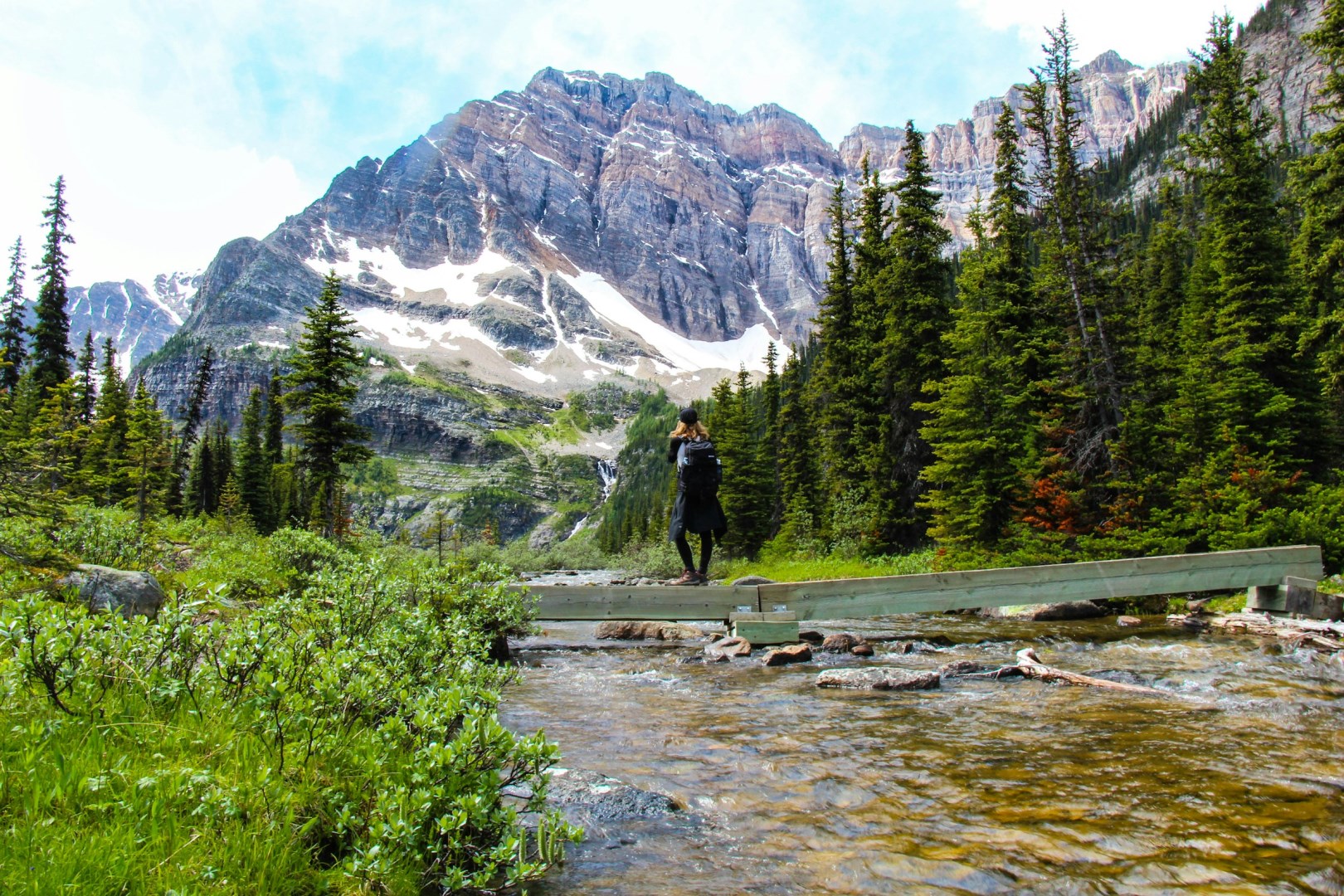
Kootenay National Park occupies 1,406 square kilometres of the Canadian Rockies in southeastern British Columbia, extending from the Continental Divide toward the Columbia Valley. The park is known for its contrasts, with glaciers and alpine terrain giving way to dry grasslands, narrow canyons, and forested valleys. Highway 93 South crosses the park, providing access to many of its landscapes and viewpoints. Kootenay is part of the Canadian Rocky Mountain Parks World Heritage Site and is notable for protecting a section of the Western Ranges of the Canadian Rockies.
Kootenay National Park lies within the traditional lands of the Ktunaxa and Secwépemc peoples, who have used and cared for the area for generations. Hunting, fishing, gathering, and travel along the Kootenay and Vermilion river valleys remain important parts of the region’s cultural history. The Paint Pots, a group of iron-rich mineral springs near Ochre Creek, are particularly significant as a traditional source of ochre pigment. The park also contains archaeological sites and cultural resources that document long-standing Indigenous connections with the landscape.
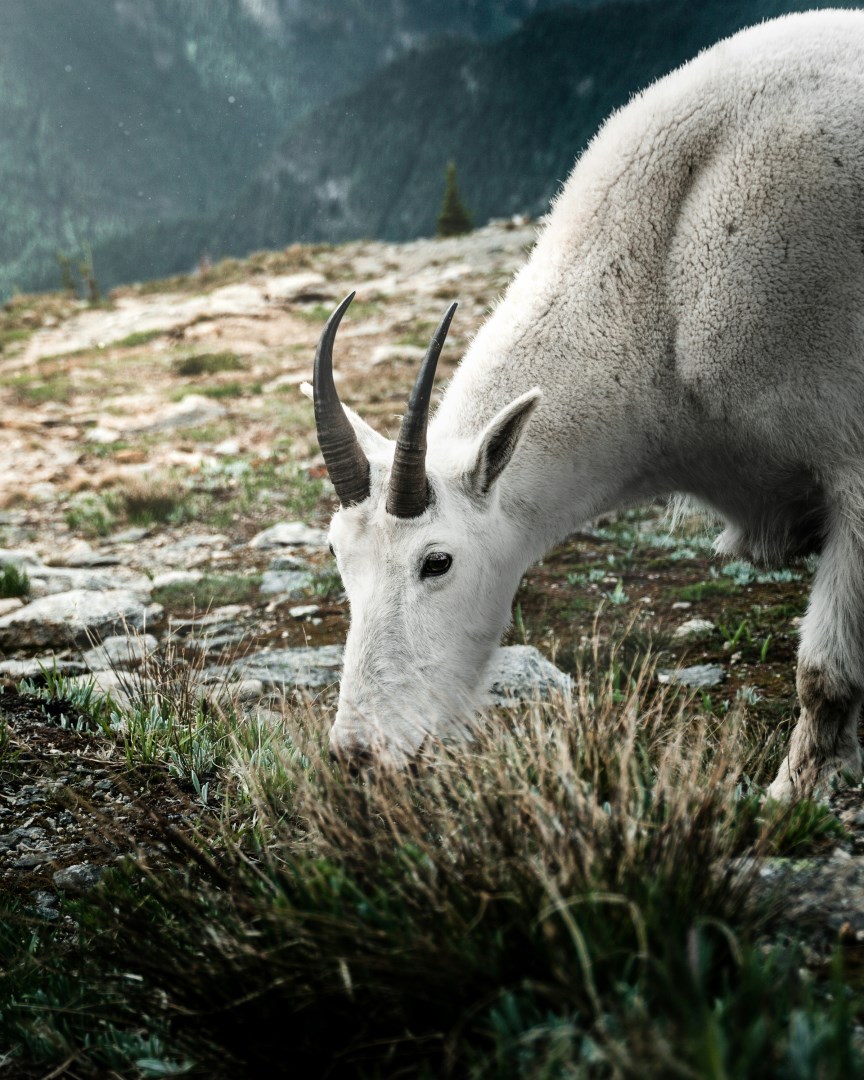
The park contains several well-known natural landmarks, including Marble Canyon, where bridges and trails follow a narrow limestone gorge carved by the Vermilion River. Nearby, the Paint Pots form three mineral springs that stain the surrounding ground with orange and yellow hues. Radium Hot Springs provides mineral-rich geothermal pools near the park’s southern entrance, while Floe Lake is reached by a challenging mountain trail. Kootenay also protects habitats ranging from alpine tundra to grasslands, supporting wildlife such as bighorn sheep, elk, bears, moose, and mountain goats. The Burgess Shale fossil deposits add another layer of scientific importance to the park.
Kootenay’s distinctive environment is reflected in its geological and natural features rather than a specific regional cuisine. The park’s rivers form part of the Columbia River watershed, while its forests and grasslands provide important wildlife corridors between British Columbia and Alberta. Fire also plays a natural role in the ecosystem, and areas affected by wildfire can support new vegetation and habitat. One of the park’s unusual features is the rubber boa, a small snake found near Radium Hot Springs that reaches the northern edge of its known range there. These varied environments make Kootenay an important area for conservation and research.
Other Popular Destinations in British Columbia

