Africa | Cape Verde | Sal

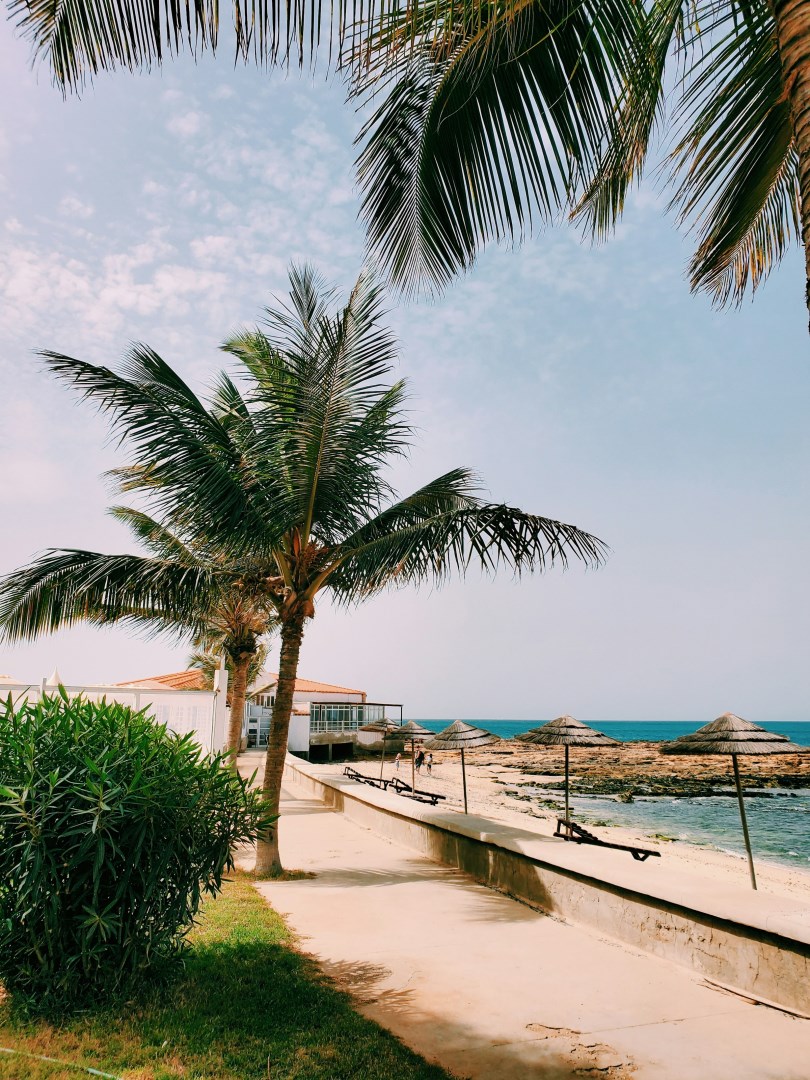
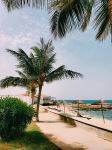
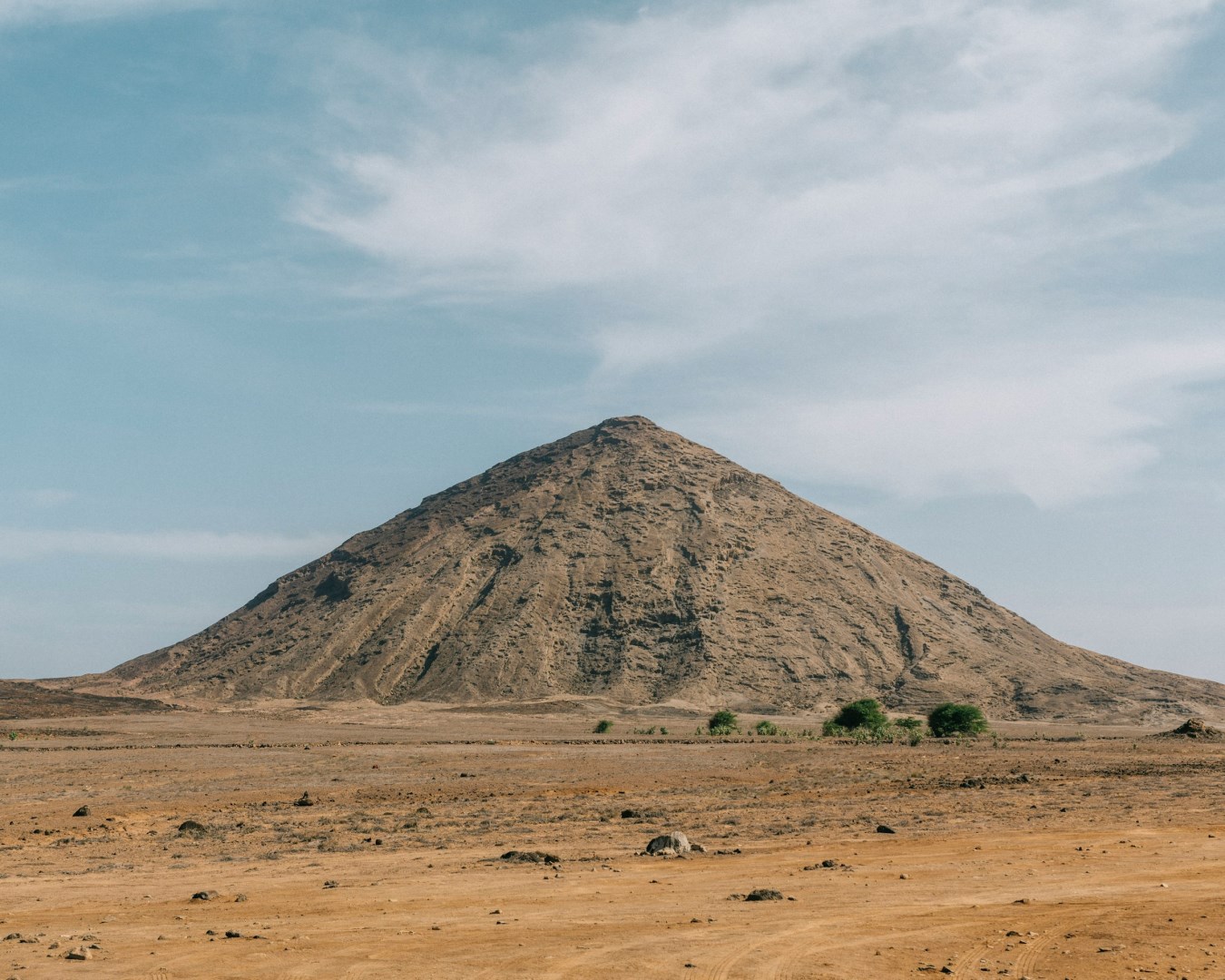
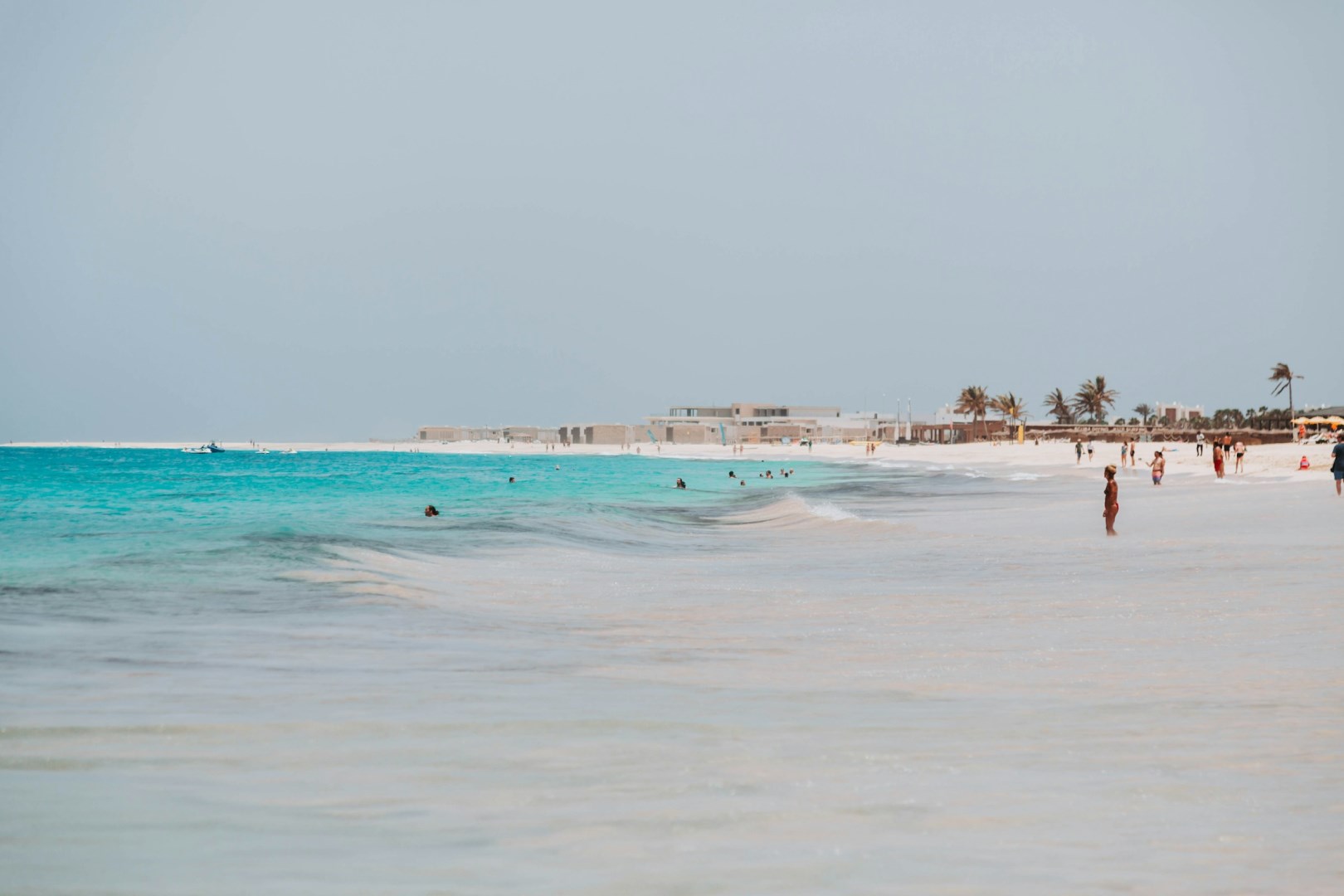
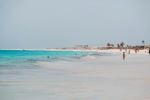
Sal is a relatively flat, dry island in Cabo Verde, known for its broad beaches, volcanic landscapes, and strong connection with the sea. Its main urban centers are Espargos, the island’s administrative capital, and Santa Maria, a coastal town that developed around fishing and salt production and is now the island’s principal tourism center. The landscape is shaped by sandy plains, dunes, rocky coastlines, and low volcanic hills, with Monte Grande forming the highest point. Sal’s compact size makes it possible to travel between beaches, villages, salt pans, and coastal sites within a short time.
The island’s name comes from its long association with salt production, particularly at Pedra de Lume on the northeastern coast. The salt pans occupy the crater of an extinct volcano and remain one of Sal’s most distinctive cultural and industrial landmarks. Espargos contains the island’s museum and traditional public spaces, while Santa Maria retains connections with fishing through its pier and waterfront. Religious festivals, local markets, music, and the Cape Verdean tradition of morabeza, referring to hospitality and community spirit, are also important parts of everyday island culture.
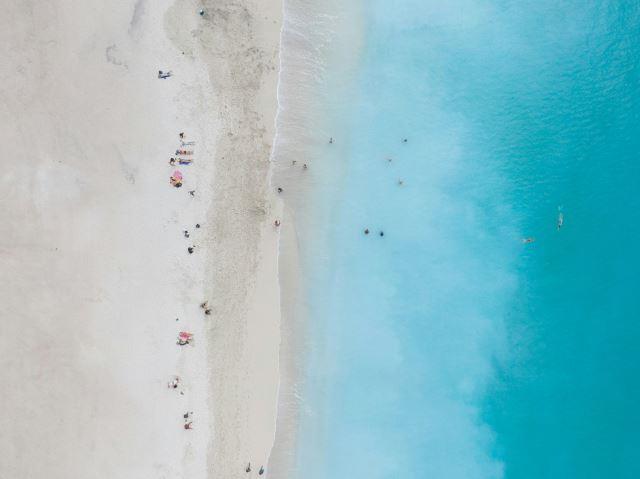
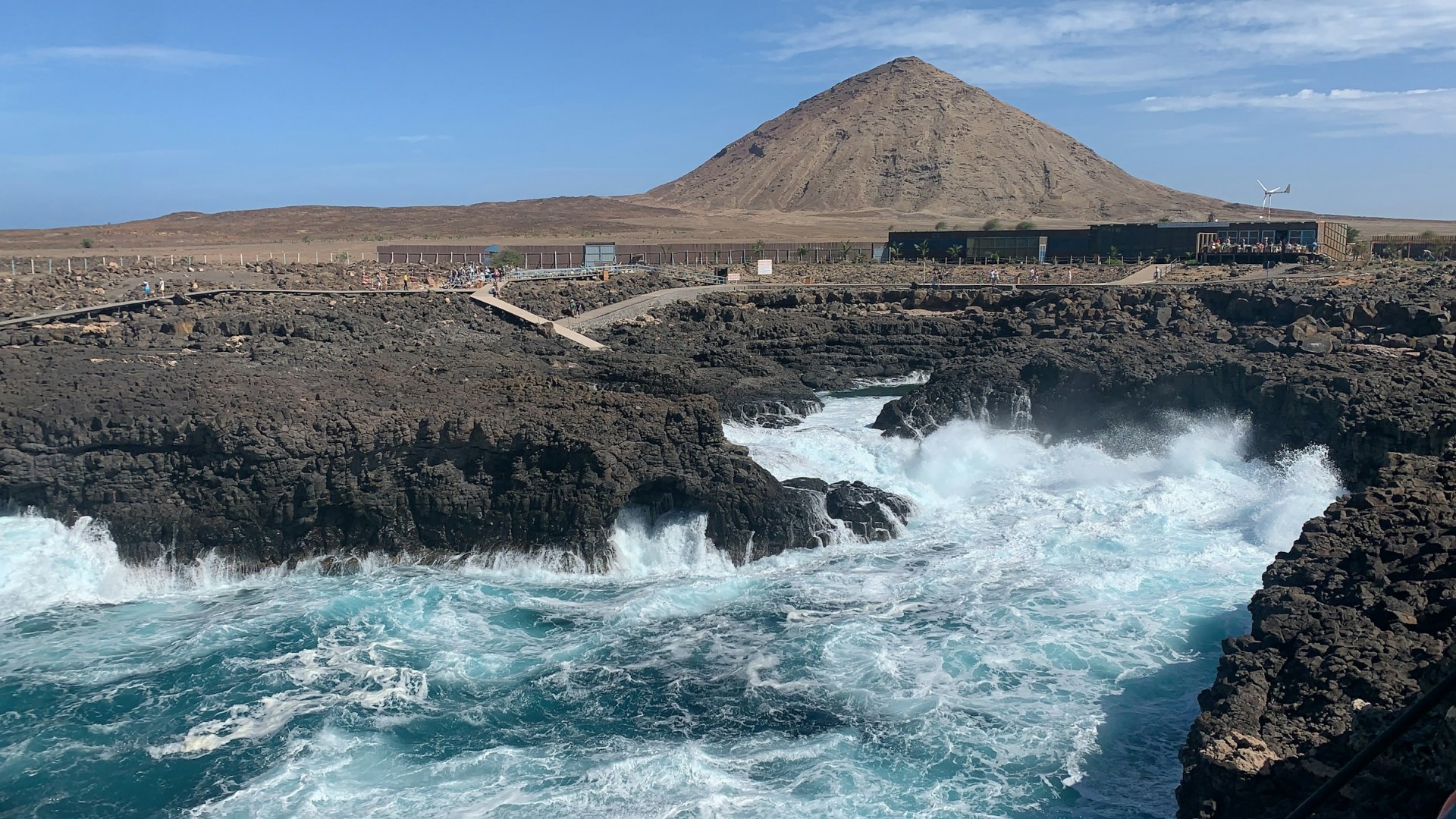
Sal’s best-known natural sites include the Pedra de Lume salt pans, the volcanic lava pools of Buracona, and the dunes around Ponta Preta. At Buracona, sunlight entering an underwater opening creates the blue appearance known as the Olho Azul. Santa Maria Beach stretches for about eight kilometers along the southern coast, while Murdeira Bay provides a sheltered setting for marine wildlife and water activities. Serra Negra, Costa da Fragata, and nearby protected coastal areas provide habitat for seabirds and sea turtles. The island’s steady winds also support surfing, windsurfing, and kitesurfing.
Seafood plays an important role in Sal’s cuisine, with fresh fish and shellfish commonly served in Santa Maria, Palmeira, and other coastal communities. Cape Verdean dishes may include cachupa, a slow-cooked combination of corn, beans, vegetables, and meat or fish, as well as grilled fish and locally prepared seafood. Grogue, a spirit distilled from sugarcane, is another traditional drink found across the islands. Sal also has a notable connection with sea salt, which remains part of its identity despite the island’s economy now being strongly linked with tourism, fishing, services, and transport.